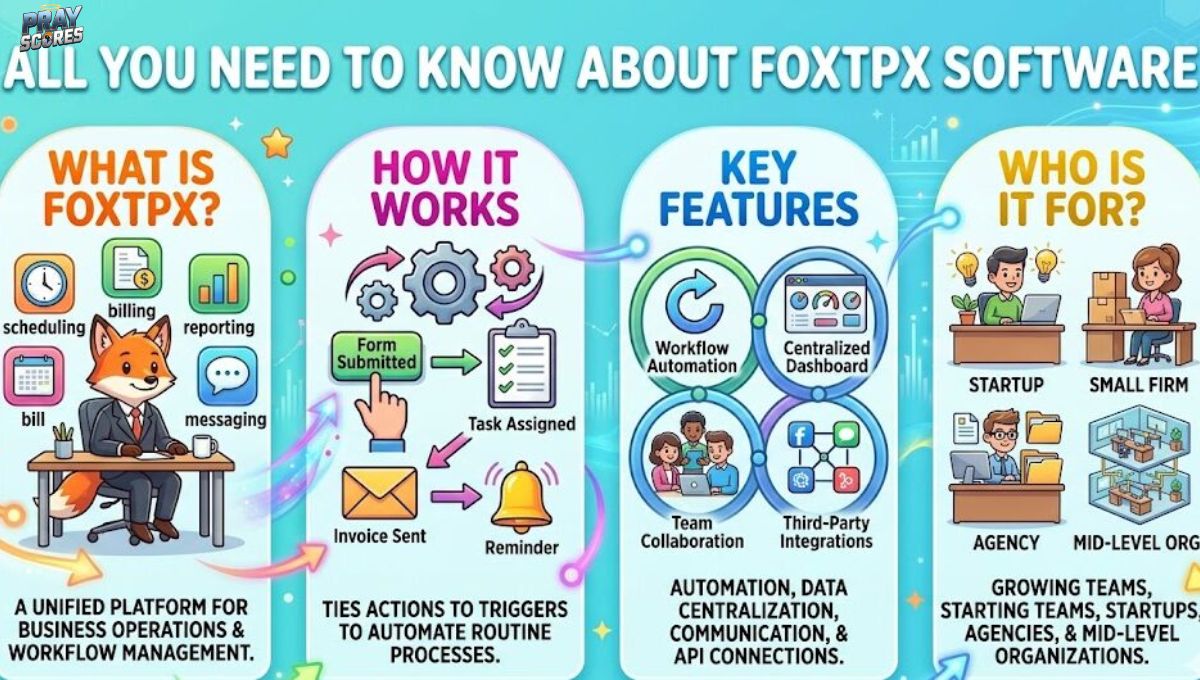
FoxTPAX Software represents a comprehensive business management platform that addresses workflow automation and data centralization. The platform gained attention in retail, healthcare, and financial sectors through its modular architecture and integration capabilities.
FoxTPAX Software continues to gain attention in 2026 as businesses seek smarter ways to manage operations, automate workflows, and improve productivity. Designed to support organizations of various sizes, the platform offers tools for data management, reporting, process automation, and system integration. As digital transformation becomes a priority across industries, FoxTPAX Software helps companies streamline daily tasks while reducing operational complexity.
From manufacturing and healthcare to retail and logistics, organizations use the software to enhance efficiency, improve decision-making, and maintain better control over business processes. Its flexibility and scalability make it a valuable solution for modern enterprises looking to stay competitive in an increasingly technology-driven marketplace.
What is FoxTPAX Software
FoxTPAX Software functions as a unified business management system. The platform consolidates multiple operational tools into a single interface.
Organizations deploy FoxTPAX to replace fragmented software suites. The system eliminates the need for separate applications across accounting, customer management, and project coordination.
The platform operates through a multi-layered architecture. This design separates the application interface, business logic processing, and data storage into distinct components.
Key Features of FoxTPAX Software
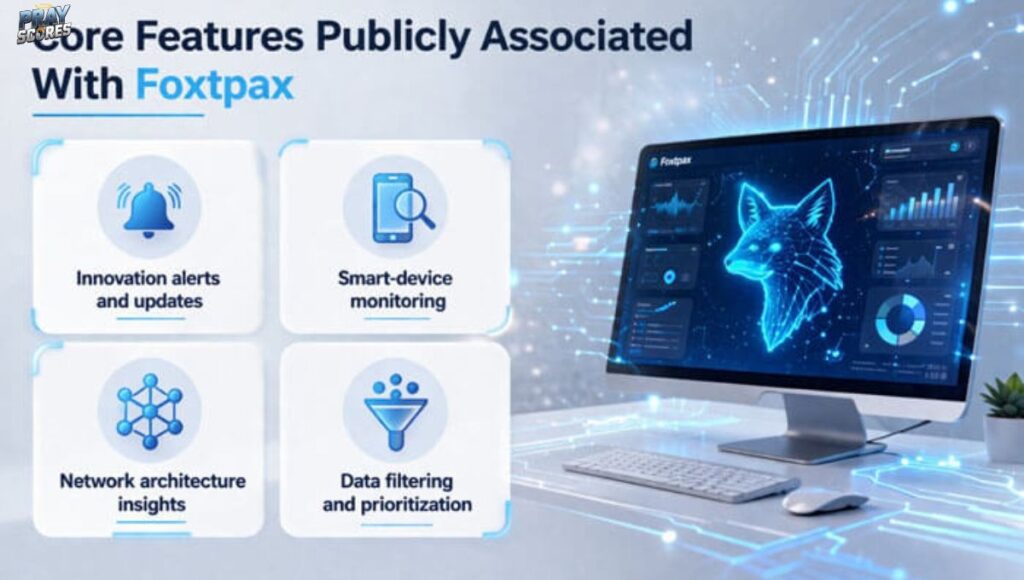
FoxTPAX Software offers a comprehensive set of features designed to improve business efficiency and operational control. Its user-friendly interface allows teams to navigate the system with ease, while workflow automation reduces manual tasks and increases productivity.
The software includes real-time data tracking and reporting, enabling organizations to make informed decisions based on accurate insights. Additionally, secure data management, customizable dashboards, and seamless integration with existing business tools help streamline processes across departments. With scalable functionality and reliable performance, FoxTPAX Software supports businesses of various sizes and industries.
Workflow Automation
The automation engine processes conditional logic for task execution. Users configure trigger-based rules that activate when specific conditions occur.
Inventory systems update automatically when transactions complete. Invoice generation occurs without manual intervention following order confirmations.
Shipping notifications sync with customer management platforms in real-time. This reduces processing delays and eliminates duplicate data entry.
Unified Dashboard Interface
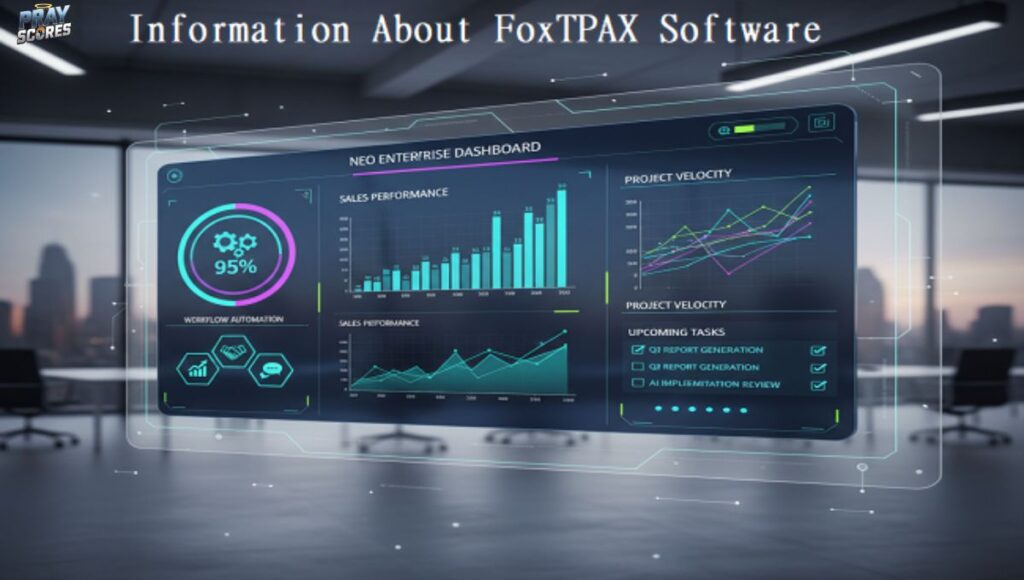
The dashboard aggregates performance metrics across business functions. Users access sales figures, support tickets, and project progress from a centralized view.
Customer relationship tools track communication history and forecast revenue. Finance modules handle payment processing and generate regulatory reports.
Team collaboration features include shared calendars and file distribution. The interface supports both technical users and staff without programming knowledge.
Scalable Architecture for Business Growth
The modular design allows organizations to activate specific components. Startups enable basic features while enterprises deploy comprehensive functionality.
The system handles increased transaction volumes without performance degradation. Database architecture supports horizontal scaling across multiple server instances.
FoxTPAX Software in Foreign Exchange Trading
Financial institutions utilize specialized modules for currency market operations. The platform processes high-frequency transactions with low-latency execution.
Order Management Capabilities
The system handles market orders, limit orders, and stop-loss execution. Trade routing occurs through direct market access connections.
Position tracking displays real-time profit and loss calculations. Margin requirements update automatically based on open exposures.
Risk Assessment Tools
The platform evaluates market risk through stress testing scenarios. Credit risk analysis monitors counterparty exposure limits.
Operational risk controls include transaction validation and error detection. The system generates alerts when predefined thresholds are exceeded.
Regulatory Compliance Features
Automated reporting generates submissions for Dodd-Frank and MiFID II requirements. The system maintains audit trails for all transaction activities.
Anti-money laundering checks process transactions against watchlists. Know-your-customer data integrates with verification services.
Technical Architecture and Security
The platform employs a three-tier architecture pattern. This separation enables independent scaling of presentation, logic, and data layers.
Security Implementation
Multi-factor authentication protects user access points. Role-based permissions restrict functionality based on organizational hierarchy.
Data encryption applies to information at rest and during transmission. Security protocols follow industry standards for financial systems.
Activity logging captures all system interactions for forensic analysis. The platform generates security event notifications for suspicious patterns.
Deployment Options
Organizations choose between cloud-hosted subscriptions and on-premise installations. Private cloud deployments offer dedicated infrastructure for regulated industries.
Hybrid configurations combine internal systems with external services. This approach addresses data residency requirements while maintaining cloud scalability benefits.
| Deployment Type | Setup Time | Maintenance | Scalability |
| Cloud SaaS | 1-2 weeks | Provider managed | Automatic |
| Private Cloud | 4-6 weeks | Shared responsibility | Configurable |
| On-Premise | 8-12 weeks | Internal team | Manual provisioning |
| Hybrid | 6-10 weeks | Mixed model | Flexible zones |
Integration and API Architecture
The platform exposes REST APIs for external system connectivity. Python and Node.js libraries facilitate rapid integration development.
Trading infrastructure connects through FIX protocol adapters. Payment gateways integrate via standardized webhook mechanisms.
Analytics platforms consume data through scheduled batch exports. Real-time data streams support dashboard and monitoring tools.
Implementation Process for FoxTPAX Software
Implementing FoxTPAX Software typically begins with a thorough assessment of business requirements and operational goals. Once needs are identified, the software is configured and customized to align with existing workflows and processes. The next stage involves data migration, where critical business information is securely transferred into the new system.
After setup, employees receive training to ensure effective adoption and smooth day-to-day usage. Finally, comprehensive testing is conducted before deployment, followed by ongoing technical support and system optimization to maximize performance and long-term value.
Realvent post………….google-zipper
Requirements Assessment
Organizations identify workflows requiring automation capabilities. Current system limitations are documented with performance baselines.
Stakeholder interviews determine feature priorities. Technical teams evaluate integration requirements with existing infrastructure.
Data Migration Planning
Legacy data undergoes cleansing to remove duplicates and errors. Field mapping establishes correspondence between old and new systems.
Validation rules ensure data quality during transfer. Test migrations verify integrity before production cutover.
Pilot Deployment
Initial rollout targets a limited user group. This approach identifies configuration issues before full implementation.
Feedback loops capture user experience problems. System adjustments occur based on pilot group observations.
Training and Adoption
User training covers both basic operations and advanced features. Documentation provides reference materials for common tasks.
Support teams handle escalated technical issues. Usage analytics track feature adoption across departments.
Cost Considerations for FoxTPAX Software

Subscription pricing scales with active user counts. Volume discounts apply to enterprise deployments exceeding 500 seats.
Implementation costs vary based on customization requirements. Standard configurations typically require 20-30% of annual subscription fees for initial setup.
Ongoing maintenance includes software updates and security patches. Organizations allocate 15-20% of total costs for system administration resources.
AI-Powered Features in FoxTPAX Software
Predictive analytics forecast inventory needs based on historical patterns. Machine learning models identify sales trends and seasonal variations.
Workflow recommendations suggest automation opportunities. The system analyzes task execution patterns to propose efficiency improvements.
Anomaly detection flags unusual transaction patterns. This capability reduces fraud risk in financial operations.
Industry Applications of FoxTPAX Software
FoxTPAX Software is used across a wide range of industries to streamline operations, improve productivity, and manage complex workflows. In the manufacturing sector, it helps optimize production planning and inventory control. Healthcare organizations use FoxTPAX for efficient data management and process automation, while retail businesses benefit from enhanced customer tracking and sales analytics.
Financial institutions leverage the software for reporting, compliance management, and operational efficiency. Its flexible architecture also makes it suitable for logistics, education, and service-based industries seeking reliable business management solutions.
Retail Operations
Point-of-sale systems synchronize with inventory management. Customer purchase history informs marketing campaigns.
Supply chain coordination automates reorder processes. Store-level analytics compare performance across locations.
Healthcare Administration
Patient record systems maintain compliance with privacy regulations. Appointment scheduling integrates with billing functions.
Insurance claim processing connects with payment verification. The platform tracks regulatory reporting deadlines.
Professional Services
Time tracking connects directly to client invoicing. Project management tools allocate resources across engagements.
Document management stores client files with version control. Communication logs maintain engagement histories.
Performance Optimization in FoxTPAX Software
Database query optimization reduces response times. Index strategies improve lookup performance for high-volume tables.
Caching mechanisms store frequently accessed data. This reduces database load during peak usage periods.
Load balancing distributes traffic across server clusters. The system automatically routes requests to available resources.
Comparison with Traditional ERP Systems
FoxTPAX offers lighter deployment timelines than conventional enterprise resource planning platforms. Implementation typically completes in 8-16 weeks versus 6-12 months for traditional systems.
The platform emphasizes user interface simplicity. This contrasts with legacy ERP systems requiring extensive training.
Customization occurs through configuration rather than programming. Organizations adjust workflows without modifying underlying code.
| Aspect | FoxTPAX | Traditional ERP |
| Implementation Time | 8-16 weeks | 6-12 months |
| User Training | 2-3 days | 2-3 weeks |
| Customization | Configuration-based | Code-level changes |
| Update Frequency | Monthly releases | Quarterly updates |
Data Backup and Recovery
Automated backups occur at configurable intervals. Organizations select retention policies based on compliance needs.
Point-in-time recovery restores data to specific timestamps. This addresses accidental deletions or corruption events.
Geographic replication distributes backups across multiple data centers. This protects against regional infrastructure failures.
Realated Post………….insights-logicalshout
Mobile Access in FoxTPAX Software
Native mobile applications support iOS and Android platforms. Field personnel access customer data and update records remotely.
Offline functionality allows work continuation without connectivity. Changes sync automatically when network access resumes.
Push notifications alert users to critical events. Mobile authentication uses biometric verification for security.
Reporting and Analytics Capabilities
Standard reports cover financial statements and operational metrics. Custom report builders allow users to define specific data views.
Dashboard widgets display real-time key performance indicators. Visual representations include charts, graphs, and heat maps.
Export functions generate PDF and spreadsheet formats. Scheduled reports distribute automatically to stakeholder email lists.
Support and Documentation
Knowledge bases provide searchable articles for common questions. Video tutorials demonstrate feature usage through screen recordings.
Support tickets route to specialized teams based on issue category. Service level agreements define response time commitments.
Community forums connect users for peer assistance. Vendor staff participate to address technical questions.
Conclusion
In 2026, FoxTPAX Software remains a versatile business solution that helps organizations optimize operations and adapt to changing market demands. Its combination of automation, data management, analytics, and workflow optimization enables companies to improve productivity while minimizing manual effort. The software’s ability to serve multiple industries demonstrates its flexibility and long-term value.
Whether a business is focused on improving internal processes, enhancing customer service, or gaining deeper operational insights, FoxTPAX Software provides the tools needed to achieve those goals. As technology continues to evolve, solutions like FoxTPAX Software will play an increasingly important role in supporting business growth, efficiency, and digital innovation.
Frequently Asked Questions
What types of businesses use FoxTPAX Software?
Organizations in retail, healthcare, finance, and professional services deploy FoxTPAX. The platform serves businesses from 10 to 10,000 employees through its scalable architecture.
How long does FoxTPAX Software implementation take?
Standard implementations require 8-16 weeks. Complex deployments with extensive customization may extend to 20 weeks. Pilot programs typically run for 4-6 weeks.
Does FoxTPAX integrate with existing systems?
The platform connects through REST APIs, webhooks, and FIX protocol adapters. Pre-built connectors support major accounting, CRM, and payment processing systems.
What security measures does FoxTPAX Software include?
Security features include multi-factor authentication, role-based access controls, data encryption, and comprehensive activity logging. The platform maintains SOC 2 Type II certification.
Can FoxTPAX Software handle foreign exchange trading?
The platform provides specialized modules for FX operations including order management, position tracking, risk assessment, and regulatory compliance reporting for Dodd-Frank and MiFID II.