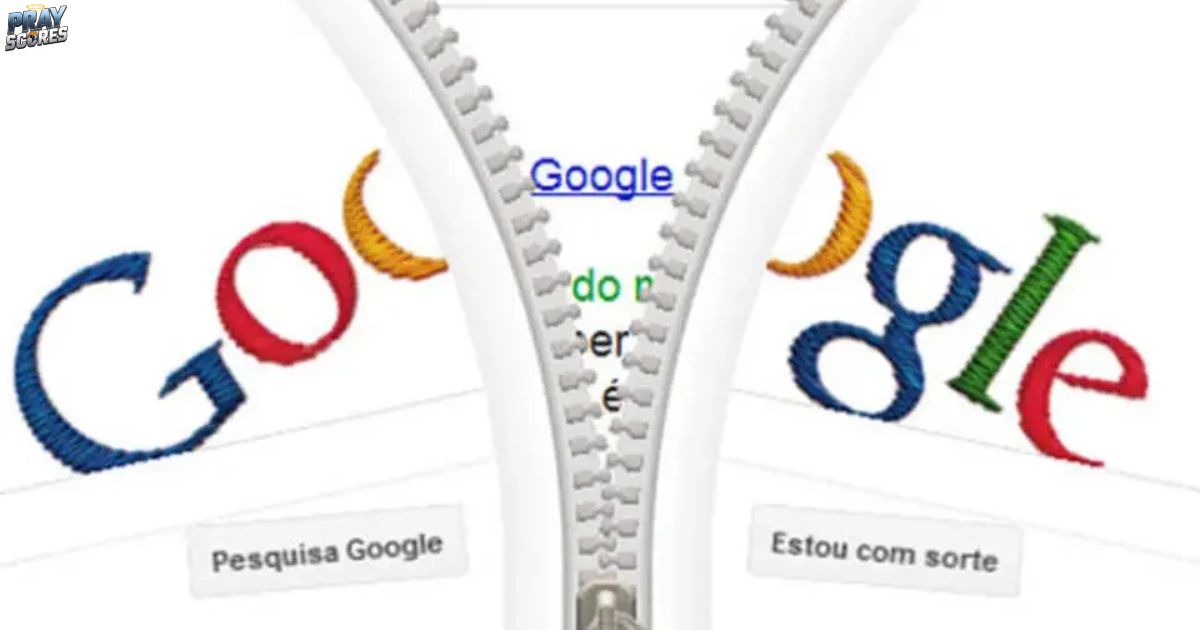
Google has long been known for adding hidden surprises and playful features to its products. Among these creative experiments, Google Zipper is often remembered as one of the most entertaining interactive experiences. It transformed a standard search page into a fun and engaging activity, showing how small design elements can create memorable user experiences.
Although Google Zipper is no longer available on the live search engine, it remains a fascinating example of interactive web design and Google’s playful approach to user engagement.
What Was Google Zipper?
Google Zipper was an interactive Easter egg that appeared when users searched for the term “zipper.” Instead of displaying only standard search results, the page featured a vertical zipper along the left side of the screen.
Users could click and drag the zipper downward, causing the page to split apart just like a real zipper. As the screen opened, a hidden background image appeared beneath the search results. The effect was smooth, responsive, and surprisingly realistic, making it a memorable experience for many users.
The feature demonstrated how simple animations could turn an ordinary search page into something enjoyable and unexpected.
Key Features of Google Zipper
| Feature | Description |
| Interactive Design | Users could drag the zipper manually for a realistic experience |
| Reversible Action | The zipper could be moved back to restore the original page |
| Smooth Animation | The opening and closing effect felt natural and responsive |
| User-Friendly | Search results remained accessible and functional |
| Cross-Platform Experience | Designed to work across multiple devices and screen sizes |
These features made Google Zipper stand out from traditional Easter eggs by encouraging direct interaction rather than simply displaying an animation.
How Google Zipper Worked
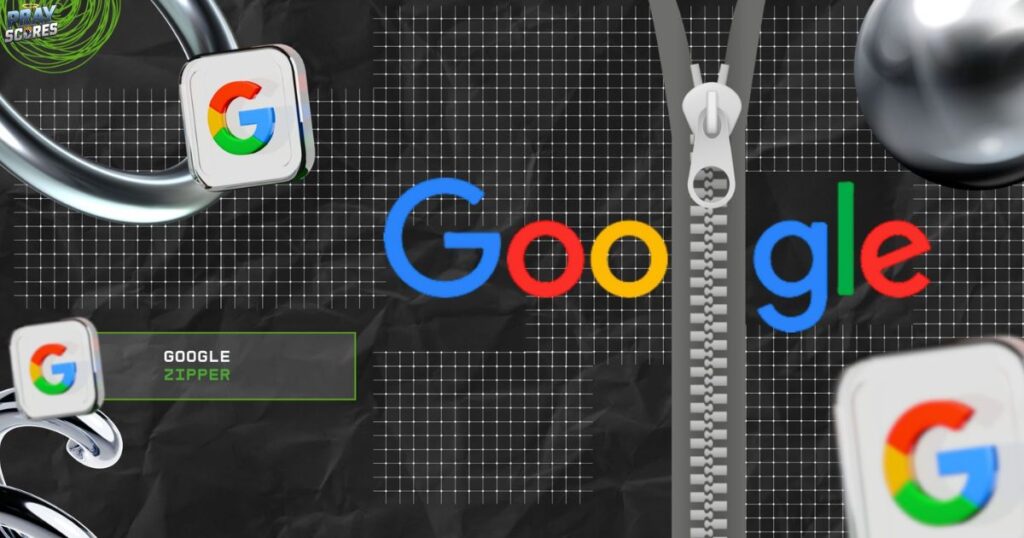
Google Zipper relied on modern web technologies such as HTML, CSS, and JavaScript to create its interactive effect. Instead of running a simple animation, the feature responded to user actions in real time.
As users dragged the zipper, the page separated smoothly to reveal the hidden layer underneath. The motion closely resembled the behavior of a physical zipper, creating a tactile experience that felt engaging and intuitive.
Despite the visual transformation, the search results remained fully usable. Users could continue browsing and clicking links without interruption, ensuring that functionality was never sacrificed for entertainment.
Why Users Loved Google Zipper
The popularity of Google Zipper came from its ability to surprise users. Most people visit search engines expecting efficiency and practicality. Discovering an interactive zipper effect added a sense of fun and curiosity to an otherwise routine activity.
The feature encouraged users to explore and share their discoveries with friends and colleagues. This viral appeal helped make Google Zipper one of the most talked-about interactive search experiences during its time.
It also showcased Google’s willingness to experiment with creative design concepts while maintaining a seamless user experience.
Google’s History of Easter Eggs
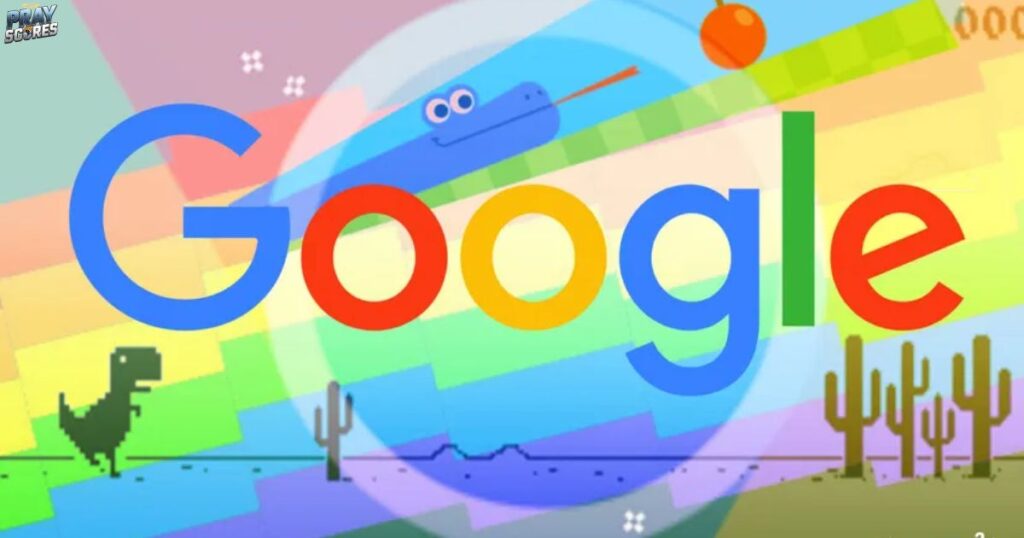
Google Zipper was only one example of Google’s tradition of creating hidden surprises. Over the years, the company introduced numerous Easter eggs that entertained millions of users around the world.
Popular examples included search tricks that caused pages to tilt, rotate, collapse, or display unique visual effects. These features demonstrated that technology could be both functional and fun.
Such Easter eggs became an important part of Google’s brand identity, helping the company appear innovative, approachable, and creative.
Why Google Zipper Was Removed
Like many experimental features, Google Zipper eventually disappeared from the search engine. Several factors may have contributed to its removal.
Maintaining Modern Compatibility
As web technologies evolved, older interactive features often required updates to remain compatible with new browsers, devices, and screen resolutions.
Performance Optimization
Google continuously works to improve the speed and efficiency of its search engine. Removing outdated features can help streamline performance and reduce maintenance requirements.
Focus on New Experiences
Google regularly introduces fresh experiments and interactive tools. Retiring older Easter eggs allows the company to focus resources on developing new experiences for users.
Although Google Zipper is no longer active, its impact continues to influence modern web design and interactive user experiences.
Realevent post……………details-of-gdtj45-builder-software
The Legacy of Google Zipper
Google Zipper remains a memorable example of how creativity can enhance digital experiences. It showed that even a simple search page could become entertaining through thoughtful design and interactive elements.
Many designers and developers still reference similar concepts when creating engaging websites, landing pages, and digital products. The idea of combining functionality with playful interaction continues to inspire modern web experiences.
Final Thoughts
Google Zipper may no longer be available, but it remains one of the most memorable interactive experiences associated with Google Search. Its realistic zipper animation, smooth functionality, and element of surprise made it a favorite among users who discovered it.
The feature serves as a reminder that great user experiences are not always about complexity. Sometimes, a simple and creative idea can leave a lasting impression and become a memorable part of internet history.
This version is more detailed, SEO-friendly, and better structured while remaining easy to read and suitable for publishing.
Frequently Asked Question,s
What was Google Zipper?
Google Zipper was an interactive Easter egg that appeared when users searched for “zipper.” It displayed a draggable vertical zipper on the search page, allowing users to split the screen and reveal a hidden background image.
How did Google Zipper work?
Google Zipper used HTML, CSS, and JavaScript to create a realistic unzipping animation. Users could drag the zipper in real time, and the effect responded smoothly while keeping search results fully functional.
Can I still use Google Zipper today?
No, Google retired the Zipper Easter egg after a few years. It is no longer accessible on the live Google search engine, though similar interactive design ideas continue to inspire web developers.
Why did Google remove the Zipper Easter egg?
Google Zipper was removed due to factors like maintaining compatibility with new browsers and devices, optimizing search page performance, and making room for new interactive features and experiments.
Were there other interactive Google Easter eggs like Zipper?
Yes! Google introduced several playful Easter eggs over the years, including Gravity Search, Let It Snow, and the Thanos Snap.