
Ramadan is a sacred month of mercy, reflection, and spiritual renewal for Muslims around the world. It is a time when believers fast from dawn to sunset, practicing patience, self-control, and devotion to Allah. One of the most beautiful and spiritually powerful moments of this holy month comes at iftar, when the fast is broken and gratitude fills the heart.
At this blessed time, reciting a Ramadan prayer after breaking fast becomes an important act of worship. It is a moment to thank Allah for giving strength throughout the day, for providing sustenance, and for allowing the completion of another fast. This prayer also opens the heart to forgiveness, mercy, and spiritual peace.
Iftar is not only about eating food after long hours of fasting—it is a time of deep connection with Allah. Believers pause to reflect, express gratitude, and make heartfelt duas for themselves, their families, and the entire Ummah. Through these prayers, Ramadan becomes more meaningful, turning every evening into an opportunity for spiritual growth and closeness to the Creator.
Ramadan Prayer After Breaking Fast – Powerful Duas to Say After Iftar for Blessings and Gratitude
Ramadan is a sacred month of worship, patience, and spiritual reflection. One of its most beautiful moments comes at sunset when fasting is completed and believers break their fast with gratitude. At this time, making a Ramadan prayer after breaking fast becomes a deeply meaningful act of devotion.
This moment is not only about eating food but also about thanking Allah for strength, patience, and provision throughout the day. It is a time when the heart feels closer to the Creator, and supplications carry special importance. Expressing gratitude through prayer after iftar helps a believer stay spiritually connected and mindful of Allah’s mercy.
The Spiritual Importance of Ramadan Prayer After Breaking Fast
The time of iftar holds great spiritual value in Islam. After a full day of fasting, self-control, and worship, a believer turns to Allah in gratitude and humility. The Ramadan prayer after breaking fast becomes a way to acknowledge that every strength and blessing comes from Him alone.
This moment teaches discipline and thankfulness. It reminds us that fasting is not only physical restraint but also purification of the soul. When a believer raises their hands in dua at iftar, it reflects sincerity, hope, and dependence on Allah’s mercy.
It is also believed that the prayer of a fasting person at the time of breaking the fast is especially accepted, making this moment even more powerful and meaningful.
Authentic Ramadan Prayer After Breaking Fast
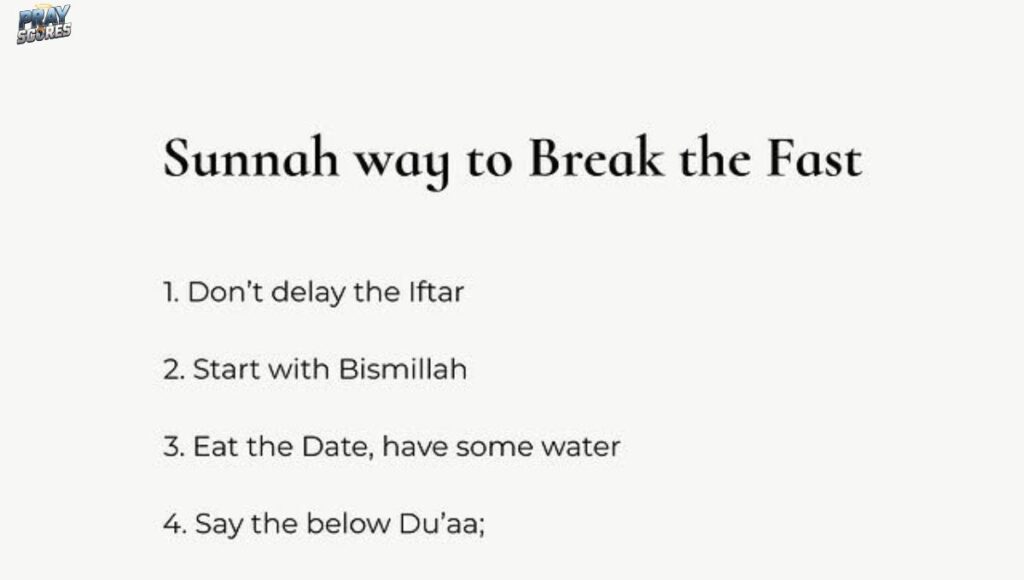
Islamic tradition includes beautiful supplications for the moment of breaking the fast. These duas are simple yet deeply meaningful, expressing gratitude and submission to Allah.
One well-known prayer is:
“Allahumma laka sumtu wa ‘ala rizqika aftartu.”
Meaning: O Allah, I fasted for You and I break my fast with the provision You have given me.
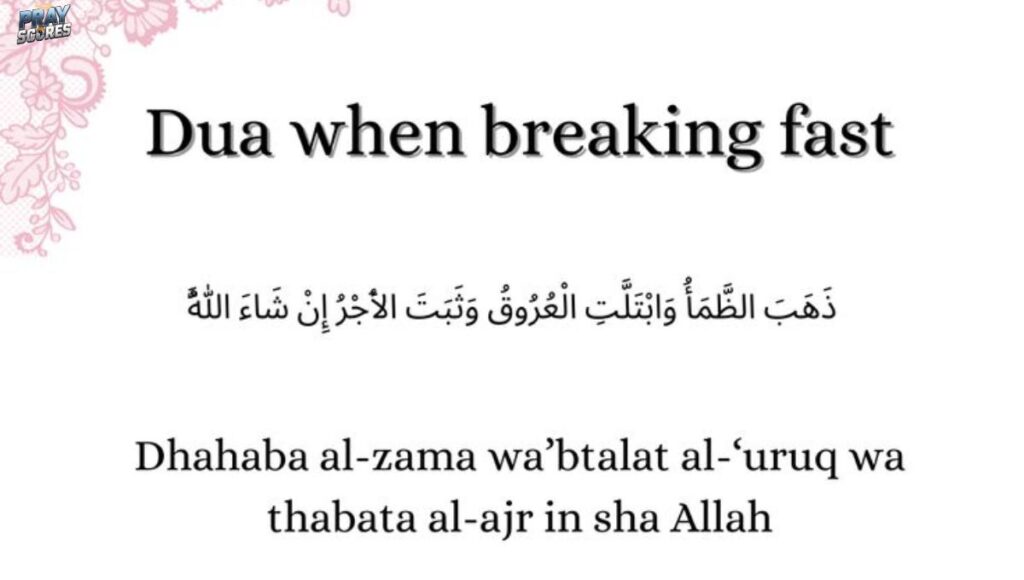
Another authentic supplication is:
“Dhahaba al-zama’u wabtallati al-‘urooq wa thabata al-ajr in sha Allah.”
Meaning: The thirst is gone, the veins are moistened, and the reward is confirmed, if Allah wills.
These prayers reflect relief, gratitude, and acknowledgment of Allah’s blessings after a day of fasting.
Why the Moment of Iftar Is Spiritually Powerful
Iftar is more than just the end of fasting—it is a spiritually charged moment filled with mercy and acceptance. After hours of hunger and patience, a believer experiences relief and gratitude, making it an ideal time for heartfelt supplication.
At this moment, Allah’s mercy is especially close, and prayers are given special significance. The Ramadan prayer after breaking fast allows believers to ask for forgiveness, guidance, health, and blessings for themselves and others.
It is also a moment of emotional reflection. Many people use this time to pray for loved ones, the needy, and the entire Muslim Ummah, strengthening their sense of compassion and unity.
Heartfelt Ramadan Prayer After Breaking Fast
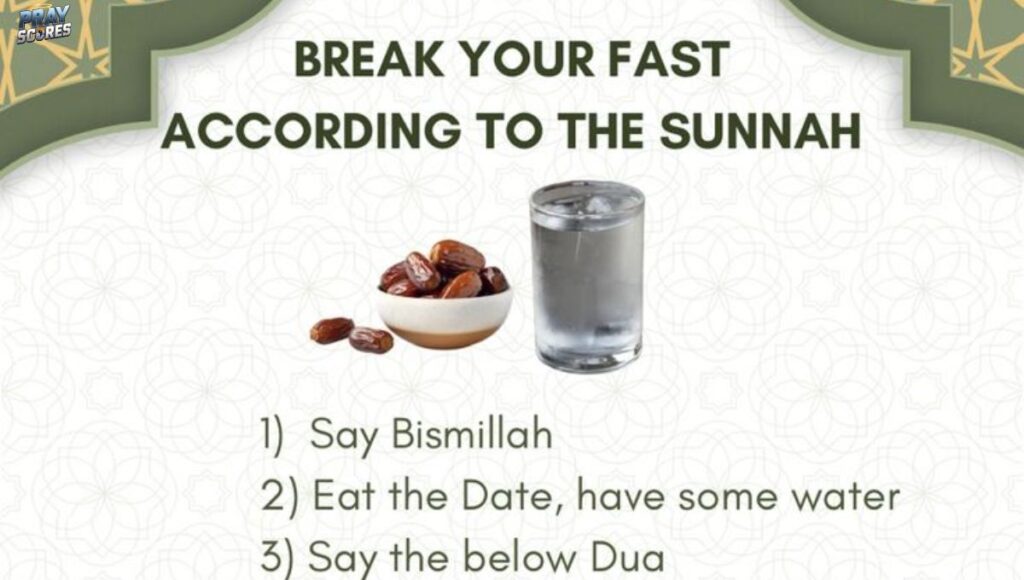
Below are sincere and meaningful prayers you can recite after breaking your fast. These can be spoken in Arabic, English, or your own words with full devotion.
Prayer 1
O Allah, I thank You for giving me the strength to complete this fast. Accept my worship, forgive my shortcomings, and fill my heart with gratitude and faith. Bless this moment of iftar and make it a source of peace and reward for me.
Prayer 2
O Most Merciful Lord, as I break my fast, I ask You to nourish my soul as You have nourished my body. Grant me patience, sincerity, and a heart that always remembers You in every moment of life.
Prayer 3
O Allah, I break my fast with the blessings You have provided. Please forgive my sins, accept my fasting, and guide me toward righteousness in all my actions. Shower Your mercy upon me and my family.
Prayer 4
O Lord of the Worlds, accept this Ramadan prayer after breaking fast from my humble heart. Strengthen my faith, cleanse my heart from negativity, and help me walk the path that pleases You alone.
Prayer 5
O Allah, I am grateful for this day of fasting that You allowed me to complete. Bless my family, protect my loved ones, and grant us peace, health, and endless mercy in this life and the hereafter.
Beautiful Personal Ramadan Prayers After Breaking Fast
After completing a day of fasting, many believers prefer to speak to Allah in their own heartfelt words. These personal supplications allow a deeper emotional connection, where gratitude, hope, and sincerity come together. A Ramadan prayer after breaking fast becomes more meaningful when it is spoken from the heart, reflecting one’s true feelings and needs.
Prayer 6
O Allah, as I break my fast, I thank You for Your mercy and strength. Accept my fast and forgive my shortcomings. Guide me to remain steadfast in faith and sincerity throughout my life.
Prayer 7
O Lord, I am grateful for Your endless blessings. As I end my fast, fill my heart with peace and my life with purpose. Help me always remember You in times of ease and hardship.
Prayer 8
O Most Merciful, bless this food that I am about to eat and make it a source of strength for worship. Accept my fasting and grant relief to those who are suffering from hunger around the world.
Prayer 9
O Allah, as I break my fast, I seek Your forgiveness and mercy. Purify my heart from sins and guide me toward righteousness, so that I may live a life that pleases You.
Prayer 10
O Allah, accept my fasting and prayers during this blessed month. Grant peace to my family, protection to my loved ones, and barakah in everything You have given me.
How Families Can Share Ramadan Prayer After Breaking Fast
In many households, iftar is a moment of unity where families gather after a long day of fasting. Before beginning the meal, families often pause together to recite a Ramadan prayer after breaking fast. This shared moment strengthens emotional bonds and creates a peaceful spiritual atmosphere.
Parents also use this time to teach children the importance of gratitude and dua. When families pray together, it builds a sense of togetherness, love, and Islamic values in the home. Over time, it becomes a meaningful tradition that connects generations through faith and worship.
Realated Posts………….new-month-prayers-and-blessings
Benefits of Saying a Ramadan Prayer After Breaking Fast
Reciting a Ramadan prayer after breaking fast brings many spiritual and emotional benefits. It increases gratitude by reminding believers of Allah’s countless blessings, especially after experiencing hunger and thirst throughout the day.
It also strengthens faith, as a believer acknowledges dependence on Allah for every blessing. This moment of prayer brings inner peace, reduces stress, and helps the heart feel calm after a long day of fasting.
Additionally, it encourages empathy and generosity. Remembering the struggles of those who are less fortunate inspires believers to give charity and support others, making Ramadan a time of compassion and kindness.
Conclusion
The moment of breaking the fast in Ramadan is one of the most peaceful and spiritually uplifting times for a believer. It is not only about satisfying hunger and thirst but also about expressing deep gratitude to Allah for strength, patience, and countless blessings throughout the day. A Ramadan prayer after breaking fast transforms this simple daily routine into a meaningful act of worship.
By making sincere duas at iftar, a Muslim strengthens their connection with Allah and reflects on the true purpose of fasting—purification of the heart, self-discipline, and spiritual growth. Whether recited in Arabic or personal words, these prayers carry love, humility, and hope.
As Ramadan continues, every iftar becomes an opportunity to seek forgiveness, ask for guidance, and thank Allah for His mercy. May every believer find peace, barakah, and closeness to Allah through these beautiful moments of prayer.
Frequently Asked Questions
What is the importance of making a Ramadan prayer after breaking fast?
It is a moment when a believer thanks Allah for completing the fast and seeks His mercy and forgiveness. This time is considered highly blessed and spiritually powerful.
Can I make personal duas after breaking my fast?
Yes, personal supplications are highly encouraged. You can speak to Allah in your own words, expressing gratitude, needs, and hopes sincerely.
Is there a specific dua for breaking fast in Islam?
Yes, there are authentic duas such as “Allahumma laka sumtu wa ‘ala rizqika aftartu” which is commonly recited when breaking the fast.
Why is iftar time special for prayers?
Because it is a time of acceptance where a fasting person’s dua is believed to be readily accepted by Allah, making it a blessed opportunity for prayer.
What should I ask Allah after breaking my fast?
You can ask for forgiveness, guidance, health, family blessings, protection, and success in both this life and the hereafter.