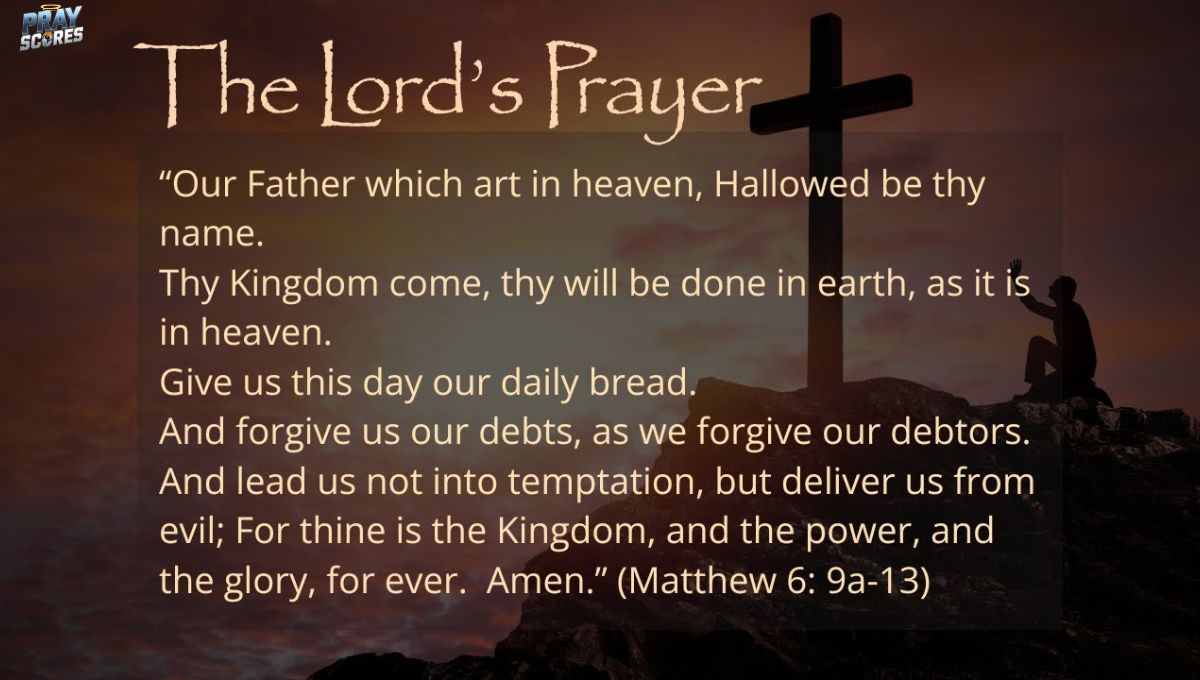
The Lord’s Prayer is one of the most significant and widely recited prayers in Christianity, given by Jesus Christ as a model for how believers should communicate with God. It is found in the Gospels of Matthew and Luke and continues to be a central part of Christian worship and personal devotion around the world.
This prayer is more than a set of words; it is a complete spiritual guide that teaches believers how to honor God, seek His will, depend on Him for daily needs, ask for forgiveness, and request protection from evil. Over time, it has been expressed in various translations and versions, from traditional liturgical forms to modern and simplified language, making it accessible to people of different ages and backgrounds.
Despite these variations, its core message remains unchanged, offering timeless spiritual insight into faith, humility, and a deep personal relationship with God.
Introduction to The Lord’s Prayer
The Lord’s Prayer, often called the Our Father, is one of the most recognized and frequently spoken prayers in Christianity. It appears in the Gospels of Matthew and Luke and was directly taught by Jesus Christ to His disciples when they asked Him how they should pray. This prayer is not only a sacred text but also a spiritual guide that shows believers how to approach God with humility, faith, and devotion. Though short in length, it contains deep spiritual wisdom that continues to inspire Christians across the world in their daily lives.
Jesus’ Instructions About Prayer
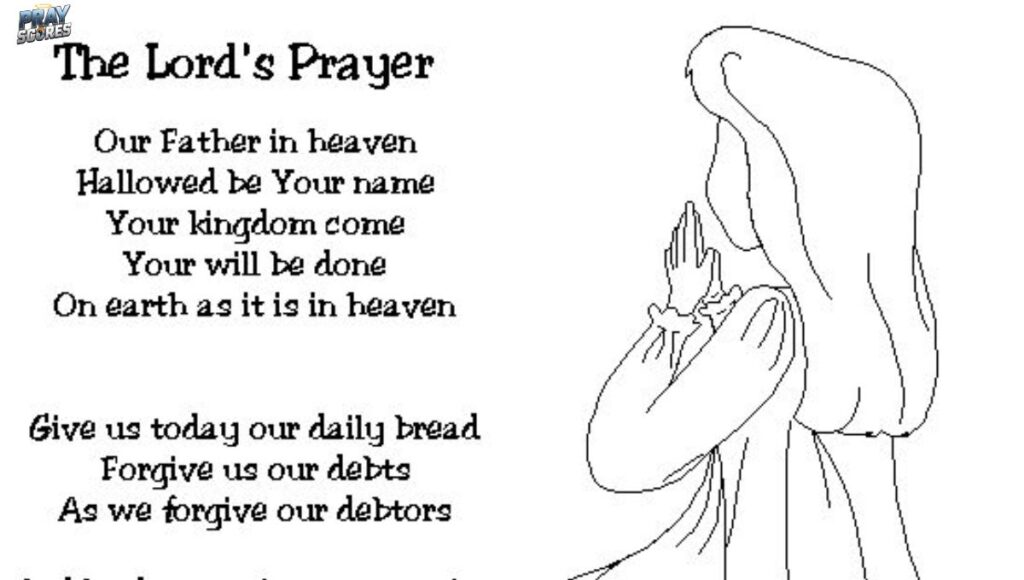
Jesus explained that prayer should come from a sincere heart rather than being performed for show. He encouraged His followers to remain consistent in prayer and to trust that God hears them even before they speak. Through His teachings, Jesus highlighted that prayer is a private and personal connection with God, not something meant for attention or praise. He also used examples and stories to show that persistence and genuine faith are key when communicating with God.
The Traditional Form of the Lord’s Prayer
The traditional form of the Lord’s Prayer is the most widely recognized and historically used version across Christian worship. It is expressed in a formal and reverent style that reflects its sacred origin and long-standing use in church liturgy. This version is often memorized and recited by believers during prayers, services, and personal devotion.
Its wording carries a poetic rhythm that emphasizes respect for God, trust in His provision, the importance of forgiveness, and the need for spiritual protection. Because of its timeless language and deep spiritual tone, the traditional form continues to hold a special place in Christian practice, connecting generations of believers through the same heartfelt expression of faith.
Our Father, who is in heaven,
May Your name be honored as holy;
May Your kingdom come;
May Your will be accomplished
On earth just as it is in heaven.
Give us today our daily provision.
And forgive us our wrongdoings,
As we forgive those who wrong us.
Do not lead us into temptation,
But rescue us from evil.
For Yours is the kingdom, the power, and the glory,
Forever and ever. Amen.
This classic version is widely used in worship services and remains a deeply respected form of prayer among Christians.
The Modern Version of the Lord’s Prayer
The modern version of the Lord’s Prayer is a simplified translation of Jesus’ original teaching that uses clear and everyday language to make its meaning easier to understand. While the traditional form carries a more formal and historical tone, the modern version focuses on clarity and accessibility, allowing people of all ages to connect with its message.
It preserves the same powerful themes of worship, dependence on God, forgiveness, and spiritual guidance, but expresses them in a way that feels more natural in today’s world. This version helps believers reflect on the prayer’s meaning more deeply, making it easier to apply its lessons in daily life and personal devotion.
Our Father in heaven,
Let Your name be honored,
Let Your kingdom come,
Let Your will be done
On earth as it is in heaven.
Provide us with what we need each day.
Forgive us our sins
As we forgive those who sin against us.
Keep us away from temptation
And protect us from evil.
For the kingdom, the power,
And the glory belong to You
Forever and ever. Amen.
This updated translation uses simpler language, making it easier for modern readers to understand while preserving the original message.
Biblical Versions of the Lord’s Prayer

The Lord’s Prayer is recorded in two places in the New Testament, and both versions share the same essential message while using slightly different wording. In the Gospel of Matthew, Jesus presents a fuller version of the prayer during the Sermon on the Mount, teaching His disciples how to pray with reverence, dependence on God, forgiveness, and protection from evil. In the Gospel of Luke, a shorter version is given when the disciples directly ask Jesus to teach them how to pray.
Although Luke’s account is more concise, it still includes the same core themes of honoring God, seeking His kingdom, asking for daily needs, and receiving forgiveness. Together, these two biblical versions highlight the unity of Jesus’ teaching on prayer while showing how the same spiritual truth can be expressed in slightly different forms.
Matthew 6:9–13
In this passage, Jesus teaches His disciples how to pray, emphasizing reverence for God, submission to His will, dependence on Him, and the importance of forgiveness and protection.
Luke 11:2–4
Luke presents a shorter version of the prayer. Although more concise, it still carries the same essential themes: honoring God, seeking His kingdom, asking for daily needs, and receiving forgiveness.
Both accounts reflect the same spiritual foundation with slightly different wording.
Different English Translations
The Lord’s Prayer has been translated into many forms of English over time to make it easier for different generations and audiences to understand. The traditional versions, such as the King James Version, use formal and poetic language that reflects its historical and sacred tone, while still preserving the original meaning. Modern translations, on the other hand, focus on simplicity and clarity, using everyday language so that readers can easily grasp its message of faith, forgiveness, and dependence on God.
Some versions are also adapted for children, using very simple words to help young believers learn its meaning step by step. Despite the differences in wording, all translations share the same core message—honoring God, seeking His guidance, asking for daily needs, and living a life of forgiveness and spiritual obedience
King James Version (KJV)
The KJV version is known for its classical and poetic tone, making it one of the most beloved translations in Christian tradition.
The Message Translation
This version presents the prayer in everyday conversational language, focusing on clarity and emotional connection with God rather than formal structure.
Children’s Version
A simplified form of the prayer helps young readers understand God as a loving Father who provides, forgives, and protects His children.
Deeper Understanding of the Prayer

The Lord’s Prayer carries a much deeper spiritual meaning beyond its simple words, revealing a complete way of relating to God in daily life. It teaches believers to see God not only as a supreme ruler but also as a caring Father who is closely involved in their lives. Each line reflects a balance between worship, dependence, repentance, and trust. Asking for “daily bread” shows total reliance on God for both physical needs and inner spiritual strength, while seeking forgiveness reminds us of the importance of mercy and reconciliation in human relationships. The prayer also calls for submission to God’s will, encouraging believers to let go of personal desires and trust in His perfect plan. Overall, it serves as a reminder that a strong spiritual life is built on faith, humility, forgiveness, and constant connection with God.
God as Our Loving Father
Referring to God as “Father” reflects a close relationship built on trust, care, and spiritual connection. It shows that believers are part of God’s family.
Meaning of Daily Bread
“Daily bread” represents not only physical food but also spiritual strength. It symbolizes relying on God for everything needed for life and faith.
Forgiveness in Prayer
A major lesson in the prayer is forgiveness. It teaches believers to ask God for mercy while also forgiving others who have wronged them.
Accepting God’s Plan
The prayer reminds believers to surrender their personal desires and accept God’s will, trusting that His plan is always perfect.
Realated Post………..morning-prayer-for-strength-and-energy
Key Lessons from the Lord’s Prayer
The Lord’s Prayer teaches several powerful spiritual lessons that guide believers in their daily walk with God. It reminds us first that God is our loving and heavenly Father, and we should approach Him with respect, trust, and sincerity. The prayer also highlights the importance of worship, as we are called to honor God’s name and submit ourselves to His divine will. It encourages dependence on God for both physical needs, like daily provision, and spiritual strength to face life’s challenges. God should be recognized as a loving Father
- Worship and respect for God are essential
- Believers must accept God’s will above their own
- God provides for both physical and spiritual needs
- Forgiveness must be given and received
- Protection from temptation and evil is necessary
Another key lesson is forgiveness, showing that we must both seek God’s mercy and extend forgiveness to others. Finally, it emphasizes the need for protection from temptation and evil, teaching us to rely on God’s guidance to stay on the right path and live a righteous life.
Conclusion
The Lord’s Prayer is far more than a set of memorized words—it is a complete spiritual guide for Christian life. It teaches believers how to worship God, depend on Him, seek forgiveness, and remain protected from evil. Whether spoken in its traditional form or in modern language, this prayer continues to serve as a powerful reminder of faith, humility, and trust in God’s presence in everyday life.
The Lord’s Prayer stands as a timeless and powerful expression of faith that continues to guide believers in their spiritual journey. It beautifully combines worship, submission, dependence, and repentance into a simple yet profound structure that reflects the core of Christian life. Across different translations and versions, its meaning remains consistent, reminding people of their relationship with God as a loving Father who provides, forgives, and protects.
More than just words to be recited, it serves as a daily reminder to live with humility, trust, and compassion. By following its teachings, believers are encouraged to strengthen their connection with God and apply its principles in every aspect of life, making it a truly enduring source of spiritual inspiration.
Frequently Asked Questions
What is the main purpose of the Lord’s Prayer?
The main purpose of the Lord’s Prayer is to teach believers how to pray in a meaningful way. It guides Christians to worship God, seek His will, ask for daily needs, and practice forgiveness.
Why is the Lord’s Prayer so important in Christianity?
It is important because Jesus Himself taught it to His disciples. It serves as a perfect model of prayer and is used widely in church services and personal devotion.
Where is the Lord’s Prayer found in the Bible?
The Lord’s Prayer is found in the Gospels of Matthew (6:9–13) and Luke (11:2–4), where Jesus teaches His followers how to pray.
Are there different versions of the Lord’s Prayer?
Yes, there are traditional, modern, and simplified versions. While the wording may differ, the core message remains the same in all translations.
What lesson does the Lord’s Prayer teach about forgiveness?
It teaches that we should ask God for forgiveness while also forgiving others who have wronged us, showing the importance of mercy and compassion.